

 +91-9818758771
 Login
Login
-

Can Dogs Eat Peanut Butter and Coconut Butter? Safe Treat Ideas
Can dogs eat coconut butter and peanut butter? Yes, healthy adult dogs can eat plain, 100% natural, and xylitol-free peanut butter and coconut butter in moderation. Rich in Medium-Chain Triglycerides (MCTs), coconut butter helps promote a shiny coat and boosts cognitive function. Peanut butter is a popular high-value training treat that carries heart-healthy fats, plant-based…
-

Cat Treats vs. Dog Treats: What’s the Real Difference?
Cat treats and dog treats are not similar in terms of nutritional value. Cats are obligate carnivores, and they need treats that are higher in protein and fat. Dogs are omnivorous, and their dietary needs are fulfilled with animal proteins, vegetables, grains, and fruits. That is why pet parents need to understand the difference between…
-
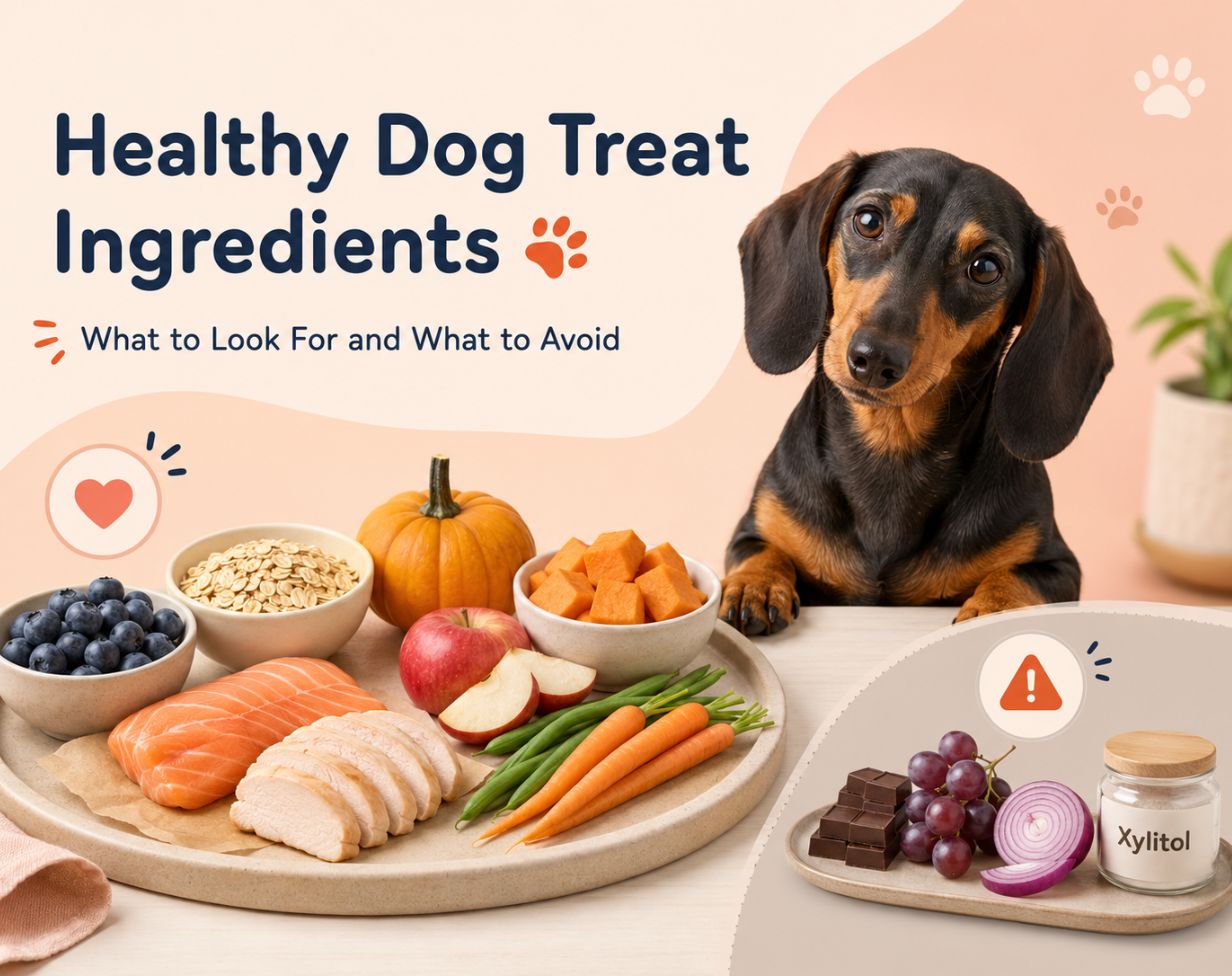
Healthy Dog Treat Ingredients: What to Look For (And What to Avoid)
A healthy and natural dog treat focuses on canine-friendly nutrition and transparency. For healthy dog treat ingredients, dog owners should look for limited ingredients and identified proteins (chicken breast and beef liver). Also check functional additives (flaxseeds and blueberries) and natural preservatives. Clearly avoid artificial preservatives (BHA, BHT, and propylene glycol), cheap fillers (corn and…
-

How Many Treats Should a Dog Have a Day? A Guide to Snacking
Most pet parents feed commercial treats, such as chews, biscuits, snacks, and training rewards, to their canine companions frequently without considering a crucial question. How many treats should a dog have a day? The golden 90/10 rule is the right answer to this question, concerning your dog’s size and unique needs. The number of treats…
-

How to Choose the Best Gourmet Dog Cookies for Training and Treating
Pet parents use high-quality dog cookies made from dog-safe ingredients as a training reward, a good behavior gift, or a special occasion treat. While choosing the best gourmet dog cookies, dog owners should consider the right cookie size, texture, and nutritional balance. From your dog’s dietary needs to calorie prioritization to limited preservatives, this blog…
-
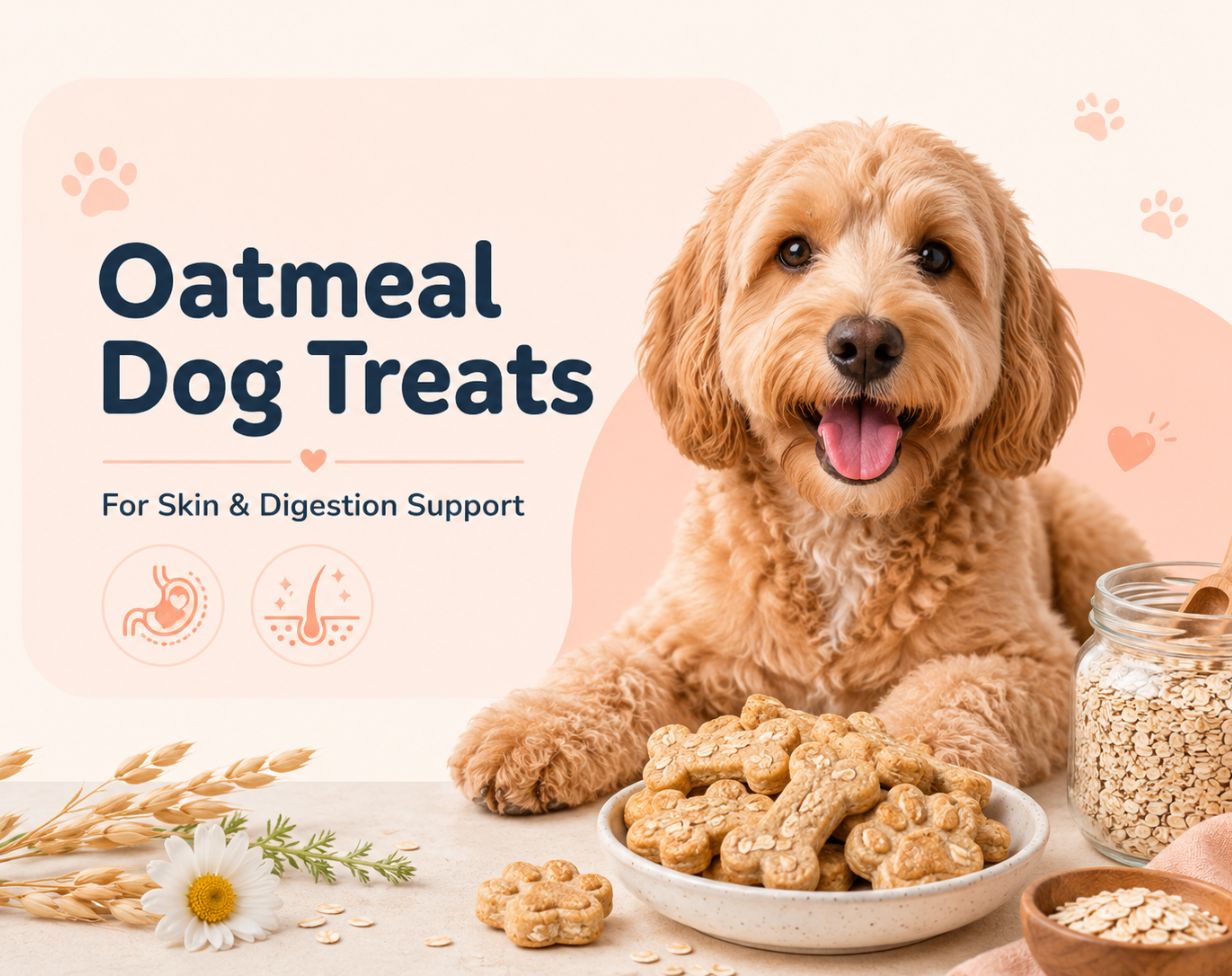
Oatmeal Dog Treats: Benefits for Digestion and Sensitive Skin
Nutritionally rich oatmeal dog treats support dogs with food sensitivities, itchy skin, and sensitive stomachs. Fiber-, vitamin-, and mineral-rich oatmeal offers digestive and skin benefits to dogs. Oatmeal-based treats are a healthy alternative for dogs who experience irritated skin or digestive upset. Oats are high in protein, soluble fiber, and vitamin B. They are low…
-

Sweet Potato Dog Treats: Why This Superfood is Perfect for Pups
Pet-friendly sweet potato dog treats are naturally anti-inflammatory, rich in soluble and insoluble dietary fibers, and easily digestible for canines. Being a good source of beta-carotene, potatoes support skin and visual health in pets. Dog owners looking for meat- and grain-free dog treats for their pets with food allergies find sweet potatoes highly beneficial for…
-

Best Dry Dog Food Brands in 2026: Top Brands Vets Actually Recommend
The best dry dog food in 2026 offers scientifically formulated nutrition for dogs that meets all recognized nutritional standards set by the AAFCO and WSAVA. Dry food brands invest heavily in R&D, quality control, and feeding trials. Veterinarians recommend dry dog food brands designed according to a dog’s age, lifestyle, and health conditions to support…
-
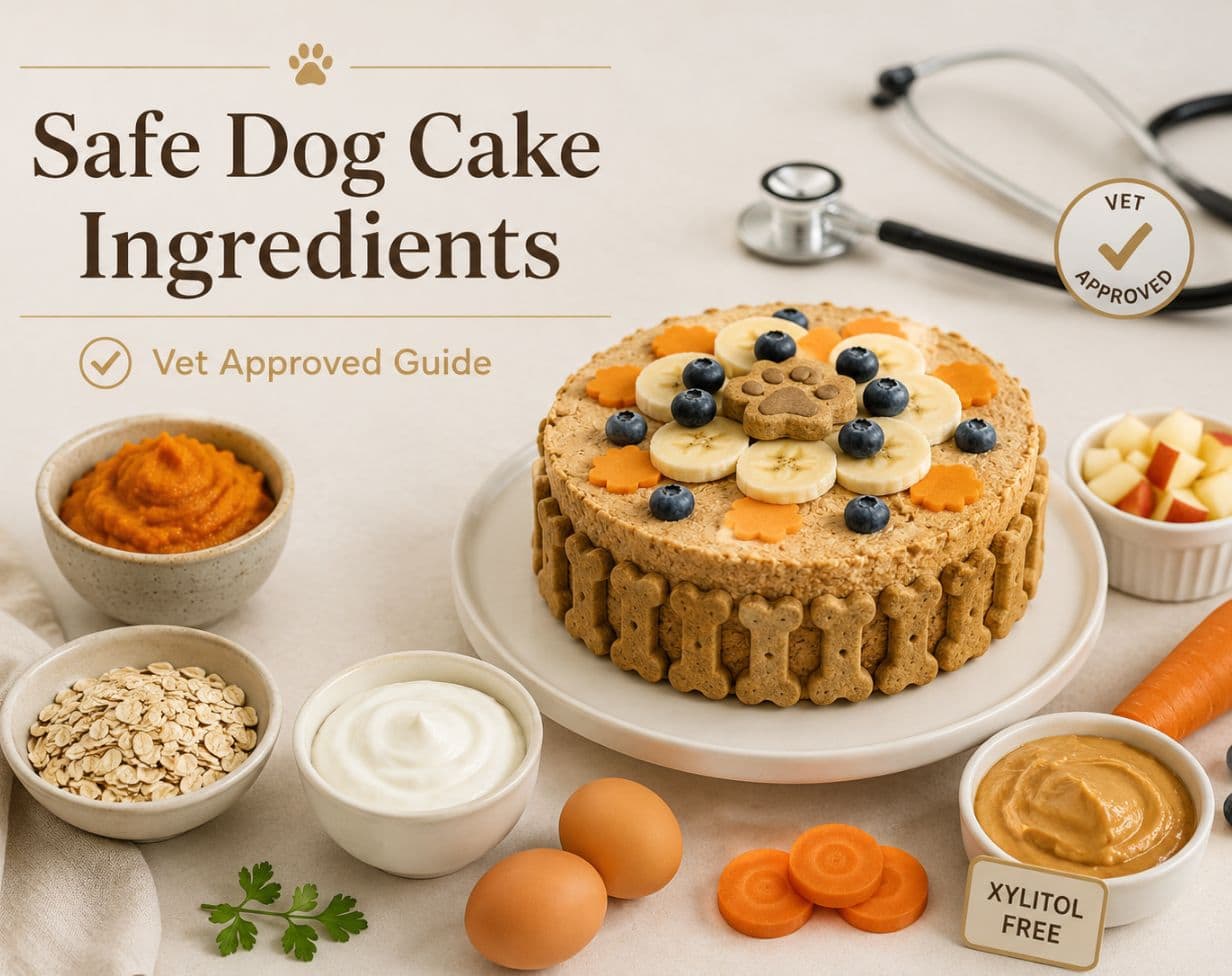
What Ingredients Make a Dog Cake Truly Safe? A Vet-Explained Breakdown
From healthy fats to dog-safe frosting alternatives and natural sweeteners to the base, the categories of dog cake ingredients ensure your canine friend is eating safe dog cakes. A vet-approved dog cake eliminates life-threatening human cake ingredients (such as chocolate and xylitol) and relies on digestible whole foods (pumpkin, oats, and banana). Fresh, genuine, and…
-

Gluten-Free & Grain-Free Dog Treats: Does Your Pet Actually Need Them?
Dogs with specific allergies, food sensitivities, or digestive issues need grain-free and gluten-free dog treats. Although gluten is healthier as a source of nutrients and fiber, most pets with sensitivities can’t tolerate it. That is why vets recommend pet owners a gluten-free diet to reduce wheat allergies and treat celiac disease in pets. This blog…
-

Soft vs. Hard Dog Treats: Which is Better for Puppies and Senior Dogs?
Dogs need soft and hard treats for high palatability, easy portion control, and jaw exercises. Soft treats are the best for puppies with small teeth and senior dogs with dental sensitivities because they are easy to chew and more digestible. Hard treats offer dental benefits to the young and middle-aged adult dogs experiencing dental plaque…
-

Dog Birthday Cake Size Guide: How Much Cake Does My Dog Actually Need?
A complete dog birthday cake size guide helps pet owners choose the right dog cake dimensions and portion sizes based on their dog’s body size, breed, and calorie intake needs. According to recommended veterinary guidelines, the 10% rule states that dogs get 90% of their daily calories from their balanced diet. So, the cake should…
-
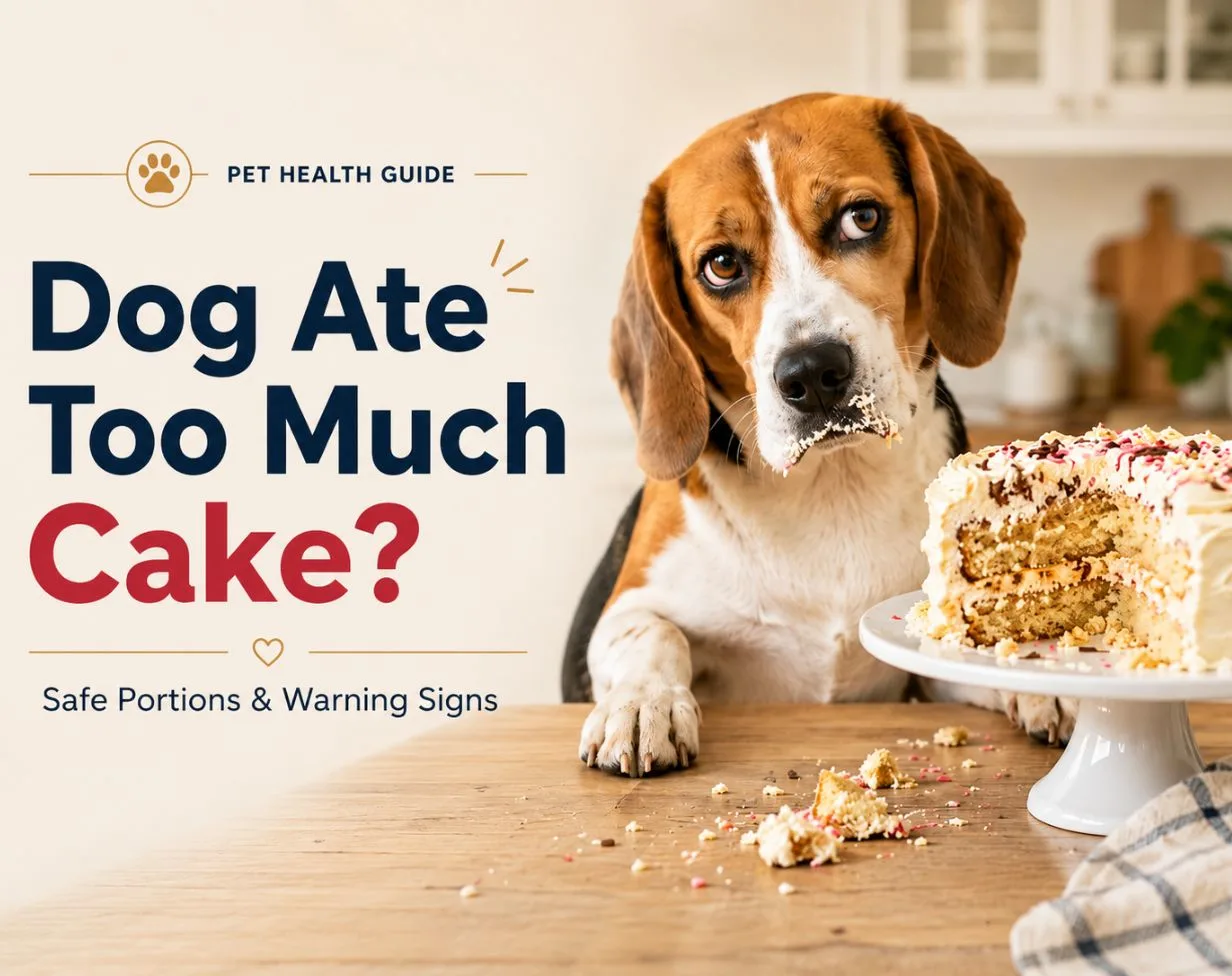
What Happens If My Dog Eats Too Much Cake? Safe Portions & Warning Signs
If your dog ate too much cake, the four-legged companion may experience immediate distress, excessive thirst, and queasiness due to the presence of fat and sugar content in cakes. Stomach upset is one of the biggest dog overeating symptoms that pet parents detect within a few hours. Cakes with toxic ingredients, such as chocolate and…
-

Can Dogs Eat Human Biscuits? A Safety Guide
Dogs can eat plain and digestive human biscuits (Parle-G and Marie) in very small quantities, but not regularly, as they are not a part of the canine food chart. When given in controlled quantities, human biscuits are not immediately fatal. From the angle of safety, dogs can’t eat human biscuits frequently, as they contain toxic…
-

Can Dogs Eat Watermelon? Summer Snack Guide for Indian Pet Parents
Humans use watermelon as a hydrating and low-calorie snack in the summer. Can dogs eat watermelon? Yes, dogs can eat the red flesh of watermelon in small portions, without seeds and rind, to regulate their body temperature. It is enriched with vitamins, dietary fibers, and antioxidant properties. It is a superfruit that acts as a…


Recent Posts
- Can Dogs Eat Peanut Butter and Coconut Butter? Safe Treat Ideas
- Cat Treats vs. Dog Treats: What’s the Real Difference?
- Healthy Dog Treat Ingredients: What to Look For (And What to Avoid)
- How Many Treats Should a Dog Have a Day? A Guide to Snacking
- How to Choose the Best Gourmet Dog Cookies for Training and Treating
Categories
- Breed Facts & Lifestyle (11)
- Cat Care & Celebration (12)
- Dog Care & Wellness (15)
- Food Safety & Nutrition Tips (58)
- Party Ideas & Planning (23)
- Recipes & Bakery Guides (37)